Top 7 Best High Precision Machining Techniques for Superior Results?
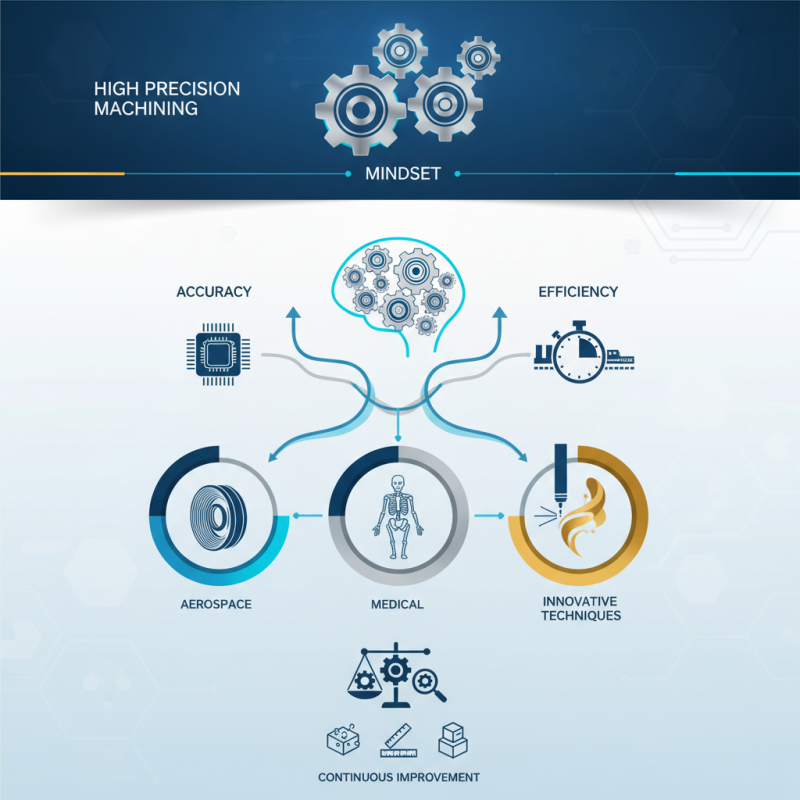
In today's competitive manufacturing landscape, "High Precision Machining" has become essential for achieving superior results. Expert Maria Thompson, a leading figure in precision engineering, once said, "Precision is not just a goal, but a mindset." This mindset drives the industry to explore innovative techniques that enhance accuracy and efficiency.
High Precision Machining focuses on creating parts with extremely tight tolerances. Industries like aerospace and medical rely heavily on these methods. However, not all techniques achieve the desired outcomes. Some processes may lead to imperfections that require further refinement. A careful evaluation of the best practices is crucial.
Among the top machining techniques, complexities arise. Choices depend on materials, specifications, and production volumes. Each method presents unique advantages and drawbacks. Balancing these elements requires thoughtful consideration. Adopting the right technique is vital, but it also demands a commitment to quality and continuous improvement.
Overview of High Precision Machining Techniques
High precision machining techniques are crucial in various industries, especially aerospace and automotive. These techniques can achieve tolerances of up to ±0.0001 inches, which is vital for parts that must fit together flawlessly. According to a report by Research and Markets, the global market for precision machining is projected to grow at a CAGR of 6.7% from 2020 to 2027. This growth highlights the increasing demand for high-quality components.
One popular technique is CNC machining. It uses computer-controlled machines to achieve high accuracy. In fact, CNC can maintain repeatability of up to 0.002 inches, making it a preferred choice. However, not all CNC setups offer the same efficiency. Operators need proper training to avoid costly errors. Another notable technique is wire EDM, or electrical discharge machining. It can create intricate shapes with low material waste. Yet, its effectiveness diminishes if the operators are not skilled.
Additive manufacturing is also gaining traction. This method allows for complex geometries that traditional techniques struggle to achieve. However, the surface finish often falls short of the desired quality, necessitating post-processing. Many companies overlook this requirement and face challenges in meeting precise specifications. Constant evaluation of these methods is essential for continuous improvement in production quality.
Understanding the Importance of Precision in Machining
Precision in machining plays a critical role in various industries. Even a tiny error can lead to significant issues. When parts are not manufactured with exact measurements, they may fail to fit together. This can compromise the entire assembly.
The search for higher precision often involves advanced techniques. Factors like temperature, tool wear, and material properties impact accuracy. Techniques such as CNC machining allow for finer details and better repeatability. However, even these methods require constant oversight and adjustments. Sometimes, unexpected variations occur, leaving engineers struggling to maintain standards.
In the journey toward precision, one must consider the human element. Operators need training and experience to manage complex machinery. Errors often stem from miscalibration or oversight during setup. Reflecting on these challenges can lead to gradual improvements and better results. Precision is not just about technology; it's equally about the people operating it.
Top Techniques for Achieving High Precision in Machining
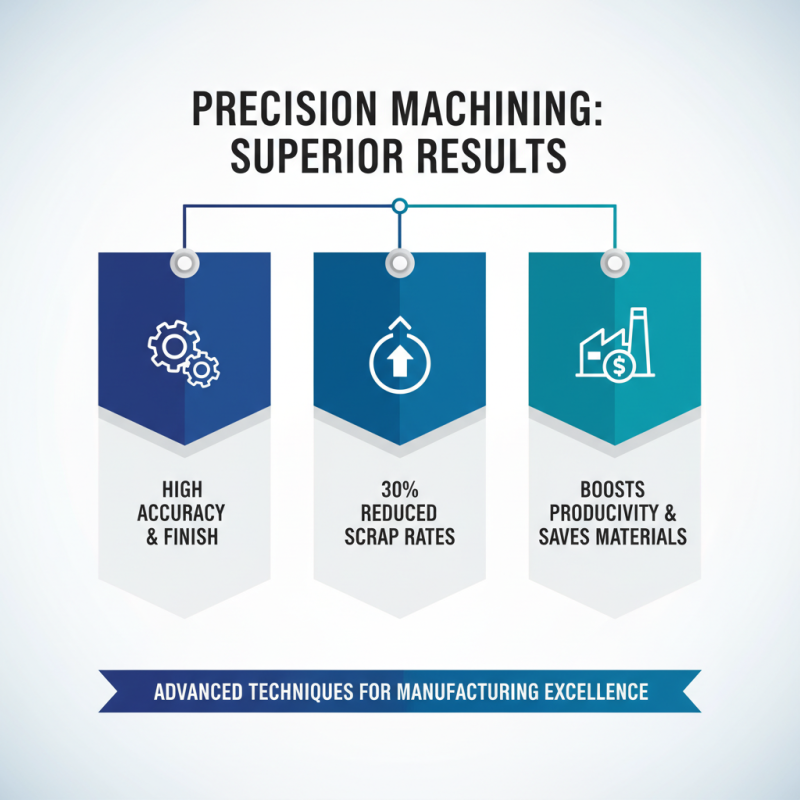
Achieving high precision in machining is crucial for superior results. Advanced techniques can significantly improve accuracy and finish in manufacturing. According to industry reports, companies that implement precision machining techniques experience a 30% reduction in scrap rates. This not only saves materials but also enhances overall productivity.
One effective machining method is computer numerical control (CNC). CNC machines are known for their ability to produce complex parts with tight tolerances. They can maintain precision up to ±0.001 inches. When using CNC, ensure proper calibration and routine maintenance. This prevents wear that can lead to inaccuracies.
Another technique is laser machining, which offers a high level of precision. It can cut materials with minimal heat-affected zones. This results in cleaner edges and reduces secondary finishing work. However, operators should monitor laser parameters carefully. Inconsistent settings can lead to unwanted results.
Tips: Always evaluate your machining processes. Look for areas where errors frequently occur. Additionally, invest in training for your team. Knowledge enhances performance and helps in utilizing advanced techniques effectively. Adopting a culture of continuous improvement is essential for maintaining precision standards.
Comparative Analysis of Precision Machining Methods
Precision machining is essential in producing intricate components. Various techniques offer unique advantages and challenges. Each method has its own set of drawbacks that require careful consideration.
CNC machining is widely used due to its automation and accuracy. It produces complex shapes efficiently. However, setup time can be lengthy, and initial costs high. Traditional methods like milling and turning still hold relevance. They provide flexibility but can struggle with tight tolerances.
Electrochemical machining (ECM) is another effective option. It excels in shaping tough materials. Yet, it may not be suitable for every application. Additive manufacturing presents exciting possibilities with 3D printing. It allows complex geometries but often lacks the same precision. Choosing the right method requires a deep understanding of the project requirements. Experimentation with different techniques can lead to better results.
Top 7 Best High Precision Machining Techniques for Superior Results
| Technique |
Precision Level |
Material Compatibility |
Application Areas |
Benefits |
| CNC Machining |
0.01 mm |
Metals, Plastics |
Aerospace, Automotive |
High accuracy, repeatability |
| EDM (Electrical Discharge Machining) |
0.005 mm |
Conductive Materials |
Tooling, Molds |
Complex shapes, fine finishes |
| 3D Printing |
0.1 mm |
Plastics, Metals, Ceramics |
Prototyping, Custom Parts |
Rapid prototyping, design flexibility |
| Laser Cutting |
0.1 mm |
Metals, Non-Metals |
Signage, Automotive Parts |
High speed, low heat distortion |
| Waterjet Cutting |
0.05 mm |
All Materials |
Metal, Stone, Glass |
No heat-affected zone, flexible |
| Grinding |
0.005 mm |
Metals |
Precision Parts, Fixtures |
Finish quality, tight tolerances |
| Turning |
0.01 mm |
Metals, Plastics |
Automotive, Aerospace |
High efficiency for cylindrical parts |
Future Trends in High Precision Machining Technologies
The landscape of high precision machining is constantly evolving. New technologies are shaping how industries approach production. One significant trend is the integration of artificial intelligence. This technology analyzes data in real-time, enhancing machining processes. Machines can predict and prevent errors, a step towards minimizing waste.
Another emerging trend is additive manufacturing. While it offers new possibilities, it also raises questions. The balance between traditional methods and 3D printing needs careful consideration. Some argue that it can compromise precision. However, its potential for customized production cannot be ignored. Industries are exploring hybrid techniques, blending the best of both worlds.
Additionally, sustainability is a growing concern. Machining processes can generate significant waste and energy consumption. Companies are investing in greener technologies. This shift is not just innovative, but also necessary. Implementing environmentally friendly practices can pose challenges. Yet, the long-term benefits can outweigh the initial hurdles. The future of machining lies in embracing progress while reflecting on these wider implications.
Top 7 Best High Precision Machining Techniques for Superior Results