2026 Best Precision Metal Parts for Enhanced Manufacturing Efficiency?
In the quest for enhanced manufacturing efficiency, the role of Precision Metal Parts cannot be overlooked. These components have become essential in various industries, driving innovation and productivity. The demand for precision and reliability in manufacturing continues to rise. This evolution is largely fueled by advancements in technology and material science.
Precision Metal Parts are crucial for achieving tighter tolerances and improved performance. They offer solutions for complex designs, enabling manufacturers to meet the ever-growing expectations from clients. However, not all parts are created equal. Manufacturers often face challenges in selecting the right components, which can lead to inefficiencies and increased costs.
It's important to recognize the need for continuous improvement in this area. Embracing new techniques and materials can significantly enhance outcomes. However, the industry still grapples with quality control issues and sourcing problems. Addressing these challenges will define the future of manufacturing efficiency. Precision Metal Parts will continue to play a pivotal role, but a proactive approach is essential for maximizing their potential.
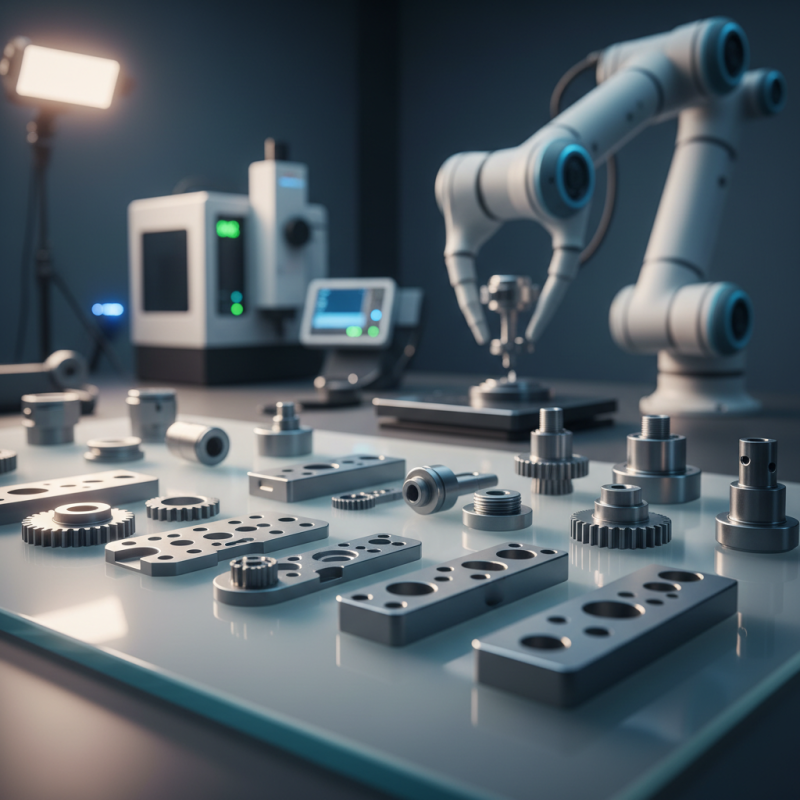
Understanding Precision Metal Parts in Manufacturing Processes
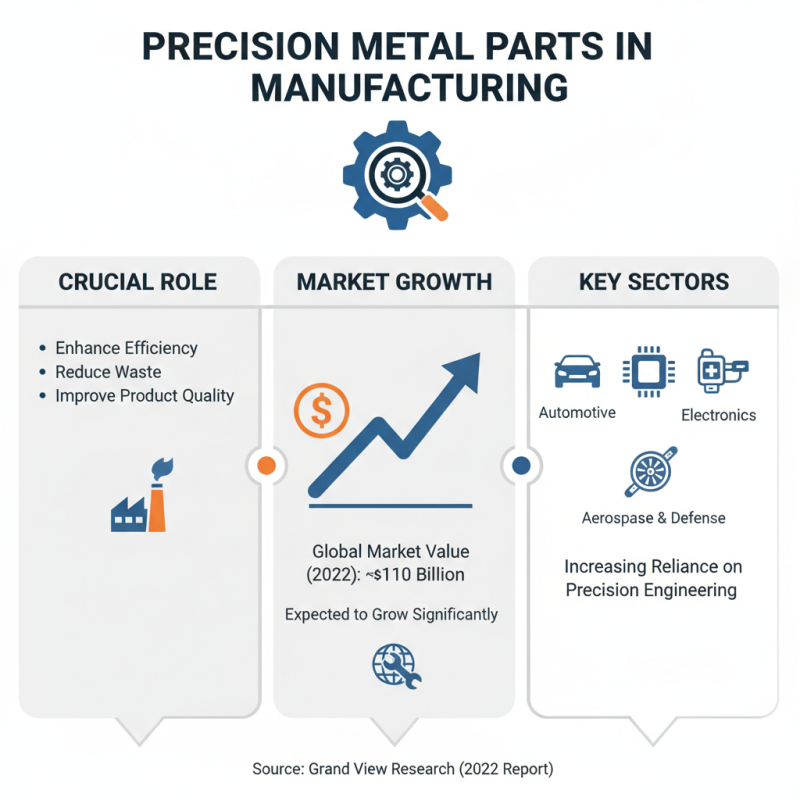
Precision metal parts play a crucial role in manufacturing. They enhance efficiency, reduce waste, and improve product quality. According to a report by Grand View Research, the global precision metal components market was valued at approximately $110 billion in 2022 and is expected to grow significantly. This growth highlights the increasing reliance on precision engineering in various sectors.
Manufacturers often face challenges in sourcing the best materials for precision parts. For instance, choosing the right alloy can impact durability and performance. Additionally, the fabrication methods used, such as CNC machining or laser cutting, influence the final product's accuracy. Recent data from the International Journal of Advanced Manufacturing Technology indicates that poor material selection can lead to a 30% increase in production costs. This underscores the need for thorough research and expertise in the selection process.
Considering sustainability is becoming vital. Industry professionals must balance efficiency with environmental impact. A 2021 report from the World Economic Forum emphasized that adopting sustainable practices in metal manufacturing could reduce carbon emissions by as much as 20%. Thus, precision metal parts must not only meet quality standards but also align with eco-friendly initiatives. This reflects the industry's evolving priorities toward efficiency, performance, and responsibility.
Key Features of High-Quality Precision Metal Parts for Efficiency
Precision metal parts are crucial for effective manufacturing processes. High-quality components directly impact efficiency. These parts should exhibit exceptional durability. Materials like stainless steel or aluminum are often preferred. Their strength allows for minimized wear and tear, resulting in longer usage without frequent replacements.
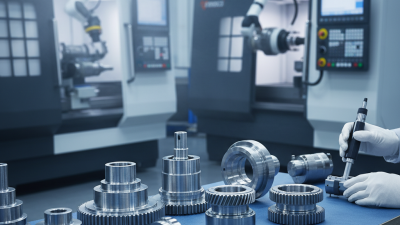
Another key feature is dimensional accuracy. Precision machining techniques, such as CNC machining, ensure parts meet tight tolerances. This reduces errors during assembly and increases the overall quality of the product. However, achieving the ideal measurements requires skill and careful planning.
Surface finish is also vital. A smooth finish enhances both aesthetics and performance. It minimizes friction and reduces the likelihood of corrosion. Yet, manufacturers sometimes overlook this aspect, compromising the end product. As we advance towards 2026, focusing on these features will guide improvements in manufacturing efficiency. Each element plays a role in the final output. Reflecting on current practices can lead to necessary improvements.
Applications of Precision Metal Parts in Various Industries
Precision metal parts play a crucial role in many industries. Their applications range from automotive to aerospace, and their importance cannot be overstated. In automotive manufacturing, precision components ensure safety and performance. Parts like gears and brackets must meet strict specifications, enhancing vehicle reliability. In aerospace, precision is even more critical. Components must withstand extreme conditions, requiring high-quality materials and precise engineering.
The medical industry also greatly benefits from precision metal parts. Surgical instruments and implants rely on accurate designs for effective performance. Any deviation can lead to significant failures. In electronics, precision components, such as connectors and housings, ensure seamless operation. They must meet tight tolerances to guarantee compatibility and durability.
However, the production of precision metal parts poses challenges. Maintaining quality while scaling production can be daunting. Companies often face scrutiny over material selection and manufacturing processes. They must continually adapt to changing technologies and consumer demands. Rethinking production strategies is essential for sustaining efficiency and quality in this competitive landscape.
2026 Best Precision Metal Parts for Enhanced Manufacturing Efficiency
| Industry |
Precision Metal Part Type |
Applications |
Key Benefits |
Estimated Market Size (2026) |
| Aerospace |
Titanium Components |
Aircraft frames, engine parts |
High strength-to-weight ratio |
$5 billion |
| Automotive |
Aluminum Castings |
Engine blocks, wheel rims |
Weight reduction, fuel efficiency |
$8 billion |
| Electronics |
Copper Connectors |
Circuit boards, wiring |
Excellent conductivity |
$2 billion |
| Medical |
Stainless Steel Implants |
Surgical implants, tools |
Corrosion resistance, biocompatibility |
$3 billion |
| Heavy Machinery |
Steel Gears |
Excavators, cranes |
High durability, load capacity |
$4 billion |
Choosing the Right Precision Metal Parts for Enhanced Performance
In today's competitive manufacturing landscape, selecting the right precision metal parts is crucial. These components significantly influence productivity and product quality. The materials you choose directly affect durability, efficiency, and cost-effectiveness. Stainless steel might be ideal for some applications, while aluminum excels in others. Each material has its strengths and weaknesses.
When evaluating precision parts, consider manufacturing tolerances. Parts that do not meet specific tolerances can lead to inefficiencies. This means lost time and increased costs. Furthermore, look into the fabrication methods used. Techniques like CNC machining or injection molding can impact the overall precision and finish of the part. A poorly chosen method can compromise the part's integrity.
It's essential to consult with experts. They can provide insights into the best practices for selection and design. Many manufacturers overlook the importance of testing. Conducting stress tests can highlight weaknesses in metal parts. This could save you from costly mistakes later. Even with careful planning, some unforeseen issues might arise. Continuous evaluation is necessary to ensure optimal performance in manufacturing processes.