How to Enhance Medical Precision Machining for Better Patient Outcomes?
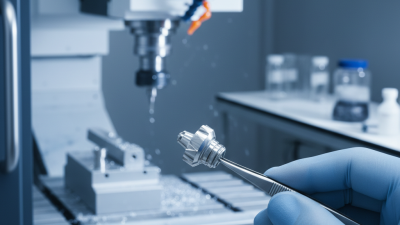
Medical Precision Machining plays a critical role in healthcare innovation. It involves crafting components with extreme accuracy for surgical instruments, implants, and devices. Such precision is vital for enhancing patient outcomes.
In recent years, the demand for precision instruments has risen. This trend reflects the shift toward minimally invasive procedures. However, challenges remain in achieving the highest quality standards. Variations in machining processes can lead to inconsistencies. These inconsistencies may impact the effectiveness of medical devices.
A focus on continuous improvement is necessary. Incorporating advanced technologies, like automation and AI, can enhance precision. However, training skilled technicians remains essential. Balancing technology with human expertise is key to success. It is crucial to reflect on current practices to identify areas for betterment. Only then can we truly elevate the standards of Medical Precision Machining.
Understanding the Role of Precision Machining in Healthcare Innovations
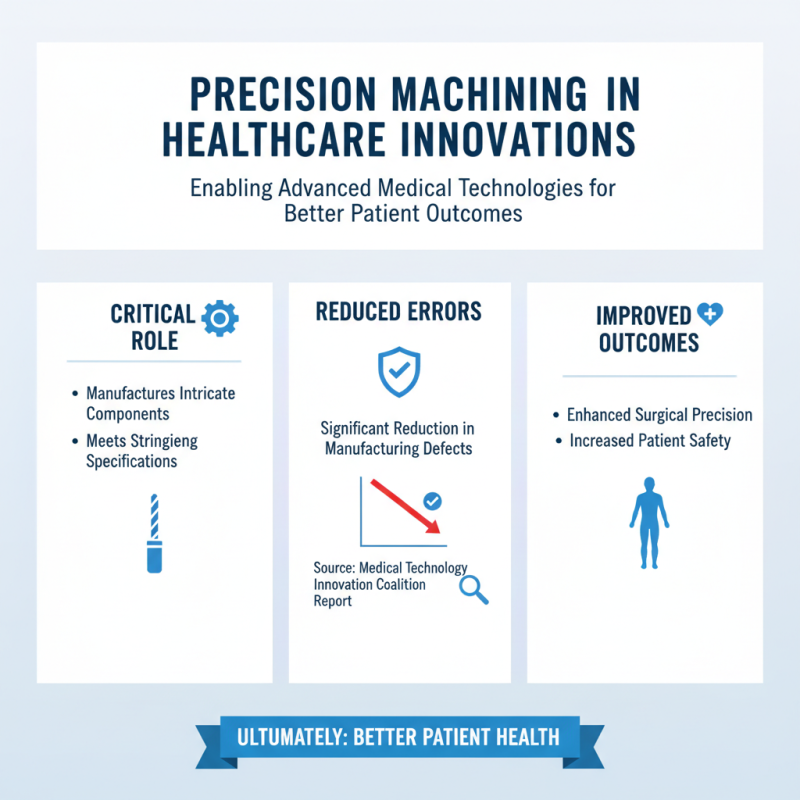
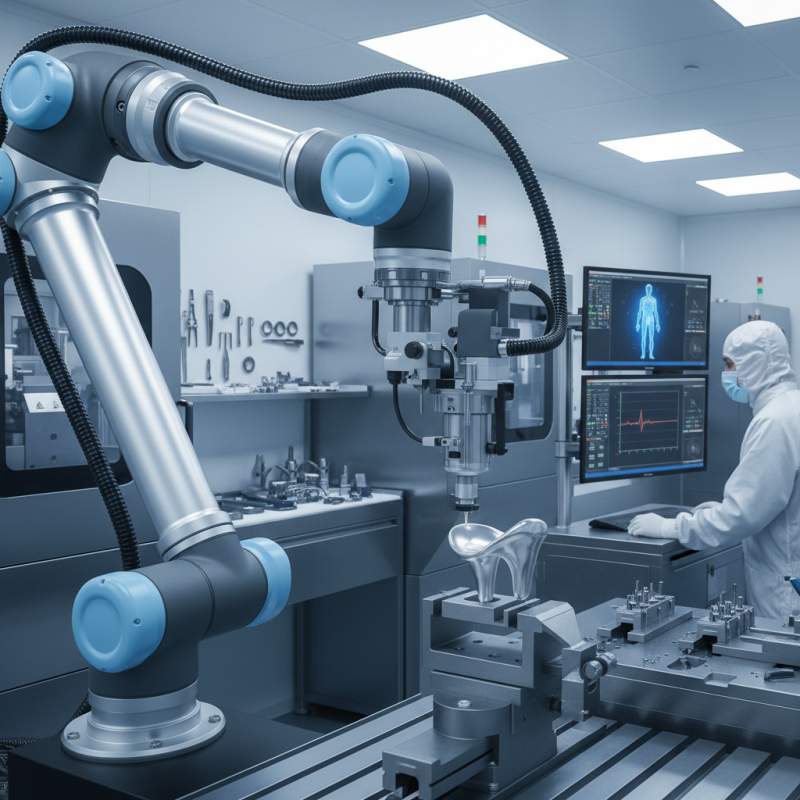
Precision machining plays a critical role in healthcare innovations. It enables the manufacture of intricate components that meet stringent specifications. According to a report by the Medical Technology Innovation Coalition, precision machining technologies can significantly reduce manufacturing errors. As a result, this leads to improved surgical outcomes, ultimately enhancing patient safety.
The complexity of medical devices often requires unique machining techniques. These techniques ensure that components are not only accurate but also reliable. In fact, a recent study found that precision-engineered implants improved post-surgery recovery times by up to 30%. This illustrates the importance of collaboration between engineers and healthcare professionals to develop cutting-edge devices.
However, challenges remain. The industry sometimes faces issues with scalability and production consistency. Variability in raw materials can affect the final product quality. It's essential for manufacturers to continually assess their processes. Continuous improvement efforts can help address these inconsistencies and lead to more reliable patient care outcomes.
Key Techniques for Enhancing Precision in Medical Device Manufacturing
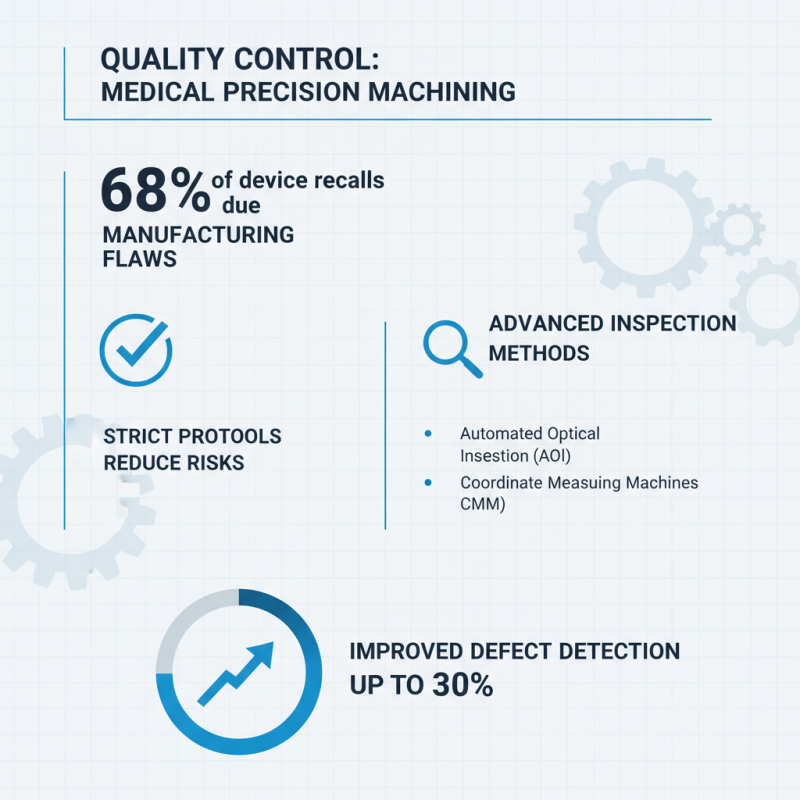
Precision in medical device manufacturing is vital for improving patient outcomes. Recent industry reports indicate that over 30% of medical device recalls are linked to design flaws and manufacturing errors. Enhancing precision machining techniques can significantly reduce these risks. Advanced techniques, such as computer numerical control (CNC) machining, offer improved accuracy and repeatability. By using CNC machines, manufacturers can create intricate designs with tolerances as tight as ±0.01 mm, essential for devices like surgical instruments and implants.
Furthermore, additive manufacturing, or 3D printing, is on the rise. It allows for creating complex geometries that traditional machining cannot achieve. According to a 2022 study, 46% of medical device manufacturers have begun to incorporate 3D printing into their processes. This not only streamlines production but also enhances customization for patient-specific needs. However, challenges remain. The consistency of printed materials can vary, and quality control processes must evolve to ensure efficacy and safety.
Investing in rigorous training for skilled machinists is crucial. One report highlighted a 25% increase in production quality when staff underwent specialized training in modern machining techniques. This reflects the importance of a knowledgeable workforce in driving precision forward. Continuous reflection on these practices, along with embracing new technologies, will pave the way for safer and more effective medical devices.
Integrating Advanced Technologies in Precision Machining Processes
Precision machining in the medical industry is evolving. Integrating advanced technologies is crucial for improving patient outcomes. For instance, the application of computer numerical control (CNC) machines enhances the accuracy of surgical instruments. These machines can produce components with tolerances as tight as a few microns. This precision minimizes the risk of complications during surgery.
Incorporating artificial intelligence (AI) and machine learning algorithms also contributes to enhanced machining processes. These technologies can predict equipment failures, reducing downtime. However, reliance on these advanced systems raises concerns about operator skills. Workers may struggle with troubleshooting if they only depend on automation.
Furthermore, newer materials, such as biocompatible alloys, enable better compatibility with the human body. However, machining these materials presents unique challenges. They often require specialized tools and techniques. Understanding the intricacies of these technologies will help in reducing errors and improving patient safety. The balance between technology and human expertise remains a critical area of reflection.
Enhancing Medical Precision Machining: Adoption of Advanced Technologies
This chart illustrates the adoption rates of various advanced technologies in the field of medical precision machining. CNC machining leads with a significant 70% adoption rate, followed by 3D printing at 50%. Other technologies like laser cutting and ultrasonic machining have lower adoption rates, indicating potential areas for growth and development towards enhancing patient outcomes.
Collaboration Between Engineers and Healthcare Professionals for Optimal Outcomes
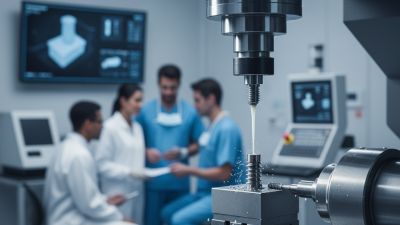
Collaboration between engineers and healthcare professionals is crucial for enhancing medical precision machining. Engineers possess technical expertise, while healthcare professionals understand patient needs. When these two groups unite, innovations in medical devices emerge. For instance, designing surgical instruments requires insights from both fields. Engineers can create tools with advanced materials and precise dimensions, but clinicians can provide feedback on usability and safety.
Effective communication is key. Regular meetings and brainstorming sessions help bridge any gaps. Engineers may overlook practical challenges in a clinical setting, while healthcare workers might lack technical knowledge. This dynamic can lead to suboptimal designs. A deep understanding of human anatomy and patient interactions can guide engineers in creating more effective solutions. Incorporating real-world feedback helps refine products for better outcomes.
Despite advancements, challenges persist. Not all devices perform as expected in real-life situations. Engineers must remain open to criticism and learn from failures. Emphasizing user-centered design can enhance collaboration. Continuous dialogue ensures that innovations genuinely improve patient care. The goal is not just to create advanced machinery but to enhance the overall patient experience. By learning from each other, both engineers and healthcare professionals can contribute to better healthcare solutions.