2026 Best Wire Edm Machining Techniques for Precision Engineering?
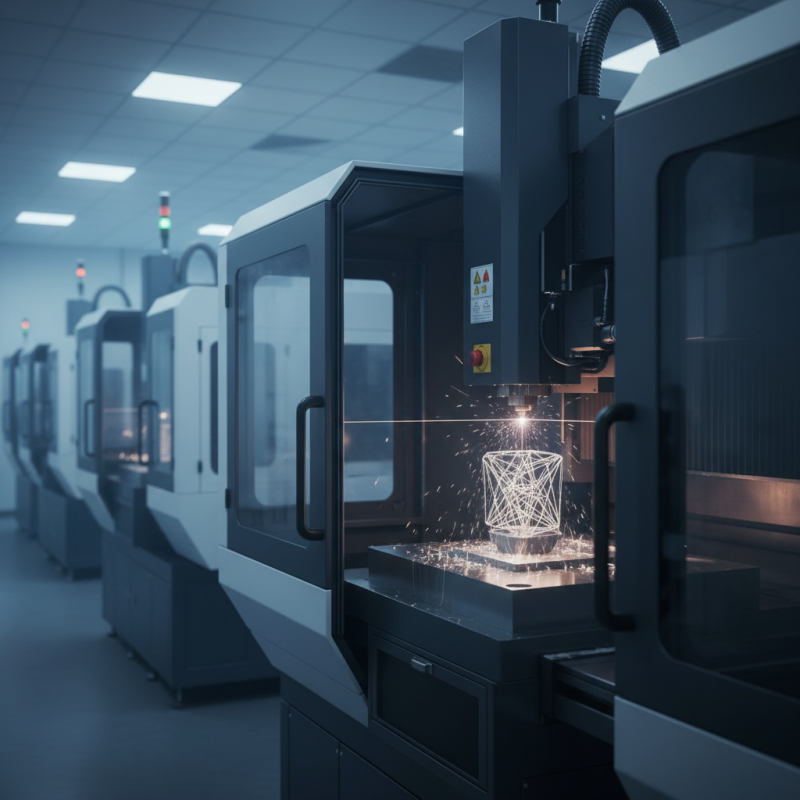
In the realm of precision engineering, Wire Edm Machining stands out as a game-changer. This technology offers unmatched accuracy for intricate designs. Manufacturers increasingly rely on this method to achieve fine details.
Wire Edm Machining utilizes a thin wire to cut through various materials. It operates through electrical discharges, allowing for exceptional precision. Yet, this technique is not without its challenges. Factors like wire breakage and surface finish can affect outcomes. The pursuit of perfection in Wire Edm Machining often leads to deeper reflections on technique and technology.
As we delve into the best practices for 2026, innovation continues to shape this industry. Mastering the latest Wire Edm Machining techniques can drastically alter production processes. Embracing both advancements and limitations will pave the way for excellence in precision engineering.
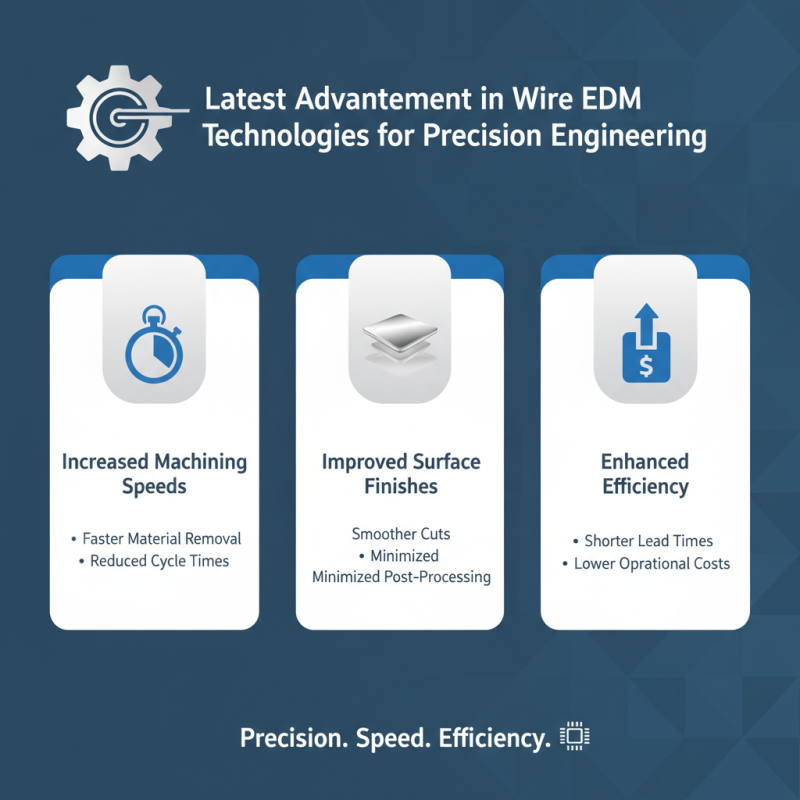
Latest Advancements in Wire EDM Technologies for Precision Engineering
Wire EDM technology has made significant strides in precision engineering. This method utilizes a thin wire electrode to cut complex shapes in various materials with high accuracy. Recent advancements focus on increased machining speeds and improved surface finishes. Manufacturers are striving for higher efficiency, reducing lead times and operational costs.
Innovations in control systems have enhanced the precision of wire EDM machines. Advanced software algorithms allow for better path optimization. This means the wire can navigate intricate designs more effectively. However, these systems can sometimes struggle with extremely complex geometries. If not calibrated correctly, issues may arise, leading to subpar results.
Furthermore, the materials used in wire EDM can impact performance significantly. Some high-strength alloys pose challenges during machining. Engineers must consider these factors when selecting materials. The continuous evolution in wire EDM technologies opens new possibilities. Yet, it requires an ongoing commitment to refining techniques and understanding material behaviors. Precision engineering benefits immensely but demands constant adaptation.
Fundamental Principles of Wire EDM and Its Applications in Manufacturing
Wire EDM, or Electrical Discharge Machining, is pivotal in precision engineering. This method utilizes electrical sparks to cut metal, achieving high precision without significant tool wear. It's an excellent choice for complex designs, especially when working with hard materials. The process allows for intricate shapes and tight tolerances that traditional machining cannot match.
When applying Wire EDM, understanding the parameters is crucial. Factors like wire tension, cutting speed, and pulse duration directly affect the quality of the cut. For finer details, a smaller wire diameter can be beneficial. However, it demands careful handling, as breakage can lead to costly delays.
Tips: Always monitor the wire condition. Replace it before it degrades too much. This can save time and improve outcomes. Experimenting with different settings can lead to unexpected results. Feedback from each iteration is vital for perfecting techniques. Learn from mistakes; they often yield the best insights.
Techniques for Optimizing Wire EDM Performance and Efficiency
Wire EDM (Electrical Discharge Machining) is a vital process in precision engineering. To enhance performance, focus on optimizing operational parameters. A recent industry report notes that adjusting voltage levels can lead to a 15% increase in machining speed. Proper settings reduce wear on both wires and the machine.
Another effective technique is using high-quality deionized water. The right coolant not only improves surface finish but also helps in chip removal. Studies indicate that a clean machining environment can minimize defects by up to 40%. It's essential to regularly monitor fluid quality as contaminated coolant can yield inconsistent results.
Nevertheless, many firms overlook these details. Some prioritize speed over quality, leading to increased rework and wasted resources. It’s crucial to balance efficiency with precision. A machine operating at peak performance will consistently yield superior results, ultimately reducing operational costs in the long run.
2026 Best Wire EDM Machining Techniques for Precision Engineering
This chart illustrates the key performance metrics for Wire EDM machining techniques in 2026. It highlights the optimal cutting speed, accuracy, surface finish quality, electrode wear rate, and operation time necessary for precision engineering applications.
Best Practices for Wire EDM Setup and Operation in Precision Engineering
Wire EDM, or Electrical Discharge Machining, is crucial for precision engineering. Setting up the machine correctly can make a significant difference. Start with a clean work area. Ensure all tools are in their designated places. Check connections thoroughly. Proper alignment of the workpiece is key. Misalignment can lead to errors in the final product.
During operation, monitor the process closely. Adjust settings if needed. Watch for signs of wear on the electrode. A worn electrode affects the precision of cuts. Keep the workpiece at a stable temperature. Fluctuations can distort dimensions. While this process is highly effective, it’s not perfect. There might be inconsistencies, especially with complex geometries. Regularly revisit your setup and practices. Reflection on past setups can yield valuable insights for improvements. Ensure that you document any issues for future reference.
Future Trends in Wire EDM Machining for Enhanced Precision and Quality
Wire EDM machining is evolving rapidly. New techniques are constantly emerging to improve precision and quality. The focus is on enhancing the efficiency of the process. More manufacturers are aiming for tighter tolerances. Advanced software tools are revolutionizing how these machines operate. Real-time monitoring systems are also becoming common. They help identify issues early on. The goal is clear: achieve the highest level of precision.
However, there are challenges. Not every operator is trained to use these advanced systems effectively. Some still rely on outdated practices, leading to inconsistencies in results. The complexity of modern machines can be intimidating. There is also the need for regular maintenance and calibration. This demands investment and expertise that some companies may lack. As technologies improve, so should the skill sets of the workforce.
Future trends indicate a stronger blend of automation and human input. More intuitive interfaces could make machines easier to handle. Yet, the reliance on technology must be balanced. Understanding the fundamentals of wire EDM is crucial for success. Manufacturers should reflect on their processes regularly. Continuous improvement is essential for maintaining a competitive edge.