How to Choose the Right Precision Turning Parts for Your Project?
Choosing the right Precision Turning Parts can be a daunting task. With various industries relying on these components, precision matters significantly. According to a report by the Precision Engineering Association, over 75% of production failures stem from the incorrect choice of parts. This statistic highlights the importance of informed decision-making.
Experts like Dr. Michael Anderson, a renowned authority in precision manufacturing, noted, "Selecting the right turning parts requires both knowledge and experience." It emphasizes the need for careful selection in any project. Precision Turning Parts play a pivotal role in automotive, aerospace, and medical sectors. Each application demands specific tolerances and materials.
However, many still overlook these details. This oversight can lead to project delays and increased costs. An in-depth understanding of your project's requirements is vital. A proactive approach can help identify the best options and avoid pitfalls. The consequences of poor selection can be severe and costly, necessitating a mindful approach in understanding Precision Turning Parts.
Understanding Precision Turning Parts and Their Applications
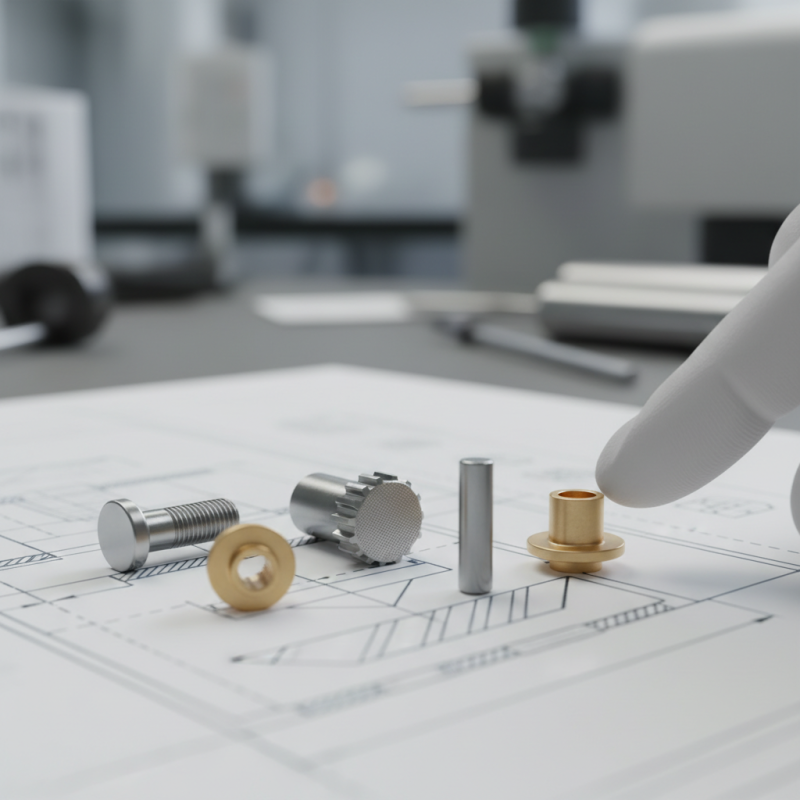
Precision turning parts play a crucial role in various industries, including automotive, aerospace, and medical equipment. These components are known for their exact dimensions and exceptional surface finish. Common materials used include aluminum, steel, and plastics. Reports indicate that the global precision machining market is expected to grow significantly, reaching approximately $112 billion by 2026. This growth reflects an increasing demand for high-quality parts in advanced manufacturing processes.
When selecting precision turning parts, consider their application. Different projects require varying tolerance levels and material properties. For instance, aerospace components often need tighter tolerances to ensure safety and performance. On the other hand, automotive parts may prioritize cost efficiency alongside quality. Identifying the specific requirements of your project will help in making informed choices.
Tip: Always communicate your project specifications clearly. This includes tolerances, materials, and intended use. Miscommunication can lead to costly errors and product rework. Moreover, do not overlook the importance of feedback from manufacturers. Their expertise can guide you towards better and more suitable options. Remember, precision parts are not just about accuracy; they also require diligent consideration of practical aspects.
Factors to Consider When Selecting Precision Turning Parts
When selecting precision turning parts, several factors come into play. The material type is crucial. For example, metals like aluminum or stainless steel have different properties that can affect performance. Reports indicate that 65% of failure in precision components is due to material incompatibility. A thorough examination of the project's requirements will help in material selection.
Another key consideration is the machining tolerance. Tighter tolerances increase cost but improve function. Industry data shows that parts made within a tolerance of 0.01 mm can enhance assembly efficiency by up to 30%. However, achieving such precision may require advanced machinery, which is not always feasible.
Surface finish is also vital, as it impacts wear resistance and aesthetic quality. Parts with a polished finish can reduce friction, benefiting operational efficiency. Yet, achieving the desired finish often comes at the expense of additional time and resources. Balancing these factors can be challenging. Ultimately, every choice made in the selection process entails trade-offs that must be carefully weighed.
Material Selection for Precision Turning Parts: Key Considerations
When it comes to precision turning parts, material selection plays a pivotal role. The right material can enhance durability and reduce costs. For instance, aluminum is often favored for its lightweight nature and excellent machinability. According to industry reports, over 60% of precision components utilize aluminum for these reasons.
Stainless steel is another popular choice, particularly in environments needing high corrosion resistance. Data shows that stainless steel parts can last five times longer than their carbon steel counterparts in adverse conditions. However, it’s important to consider the balance between strength and weight. Heavy materials can elevate manufacturing costs and complicate assembly processes.
Ultimately, there's no one-size-fits-all solution. Each project demands careful consideration of performance requirements and environmental factors. Be wary of the common pitfalls in material choice. Not properly assessing temperature resistance or load-bearing capacity can lead to project delays. These oversights can prove costly. Ensure you systematically evaluate each material's properties before making a final decision.
Evaluating Tolerances and Specifications for Your Project Needs
When evaluating tolerances and specifications for precision turning parts, understanding your project's unique needs is vital. Tolerances dictate how much variation is acceptable. A report by the Precision Machined Products Association (PMPA) shows that 60% of manufacturing issues arise from improper tolerances. This underscores the importance of detailed measurements in your designs.
Next, consider the material specifications. Different materials have distinct properties, affecting performance and durability. For example, Aluminum offers lightweight benefits but may not endure the same stress as Steel. Engineers often underestimate the implications of these choices. A project might require tight tolerances of ±0.005 inches for functionality, but costs could skyrocket if the material cannot sustain such precision.
Furthermore, communicate clearly with your suppliers. Ambiguous specifications often lead to surprises. According to a National Institute of Standards and Technology (NIST) report, 30% of project delays are due to miscommunication. It’s critical to ask questions, clarify designs, and ensure all parties are aligned. Precision parts play a vital role, and one overlooked detail can derail an entire project.
Precision Turning Parts Tolerance Evaluation
This chart illustrates the evaluation of tolerances for various precision turning parts commonly used in projects. The dimensions reflect the level of precision in micrometers (µm) required for different part specifications.
Comparing Suppliers: Quality and Cost of Precision Turning Parts
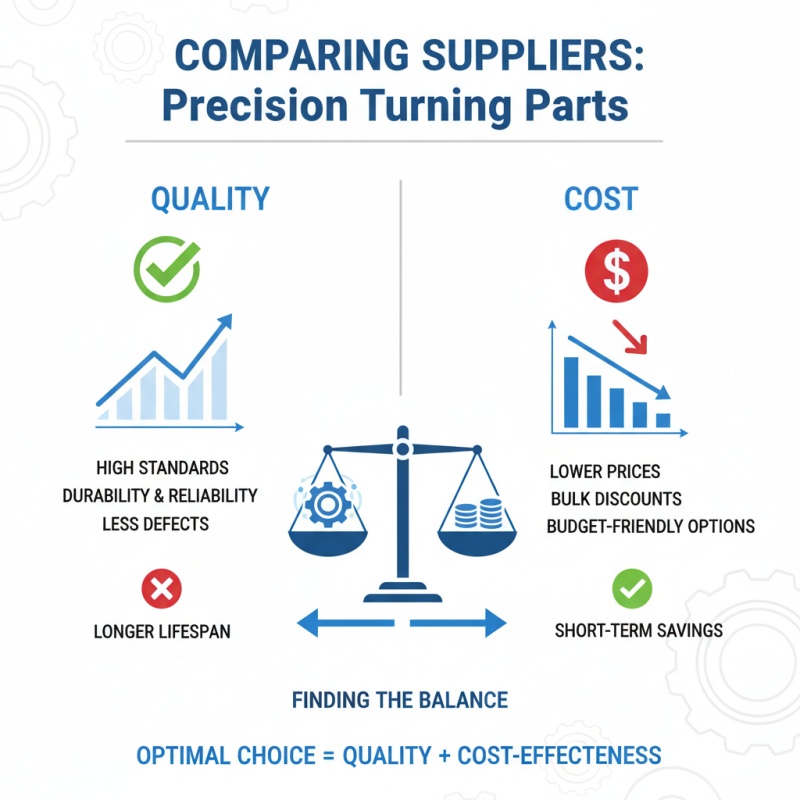
When selecting precision turning parts, comparing suppliers is crucial. Quality and cost often determine the best choice for your project. Different suppliers have varying standards. Some may offer lower prices but compromise quality. Others might provide top-notch parts at higher rates. Finding a balance is essential.
Consider factors such as materials used and production processes. Some suppliers may use advanced technology, while others may rely on outdated methods. The latter often leads to inconsistencies in quality. For example, if a supplier claims to have ISO certification, verify their claims. Authentic certifications reflect commitment to quality.
Cost shouldn’t be the only deciding factor. Sometimes, a cheaper option leads to hidden costs down the road. Parts that fail prematurely can result in wasted time and money. Reflect on the long-term impact of your choices. Remember, investing in quality parts can save you headaches and expenses in the future.