Why Choose Semiconductor CNC Machining for Your Projects?
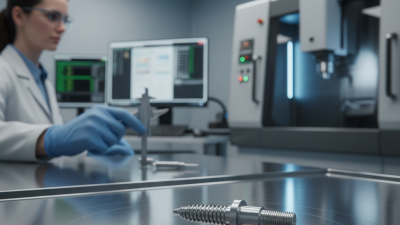
In today's high-tech landscape, projects often demand precision, quality, and efficiency. Semiconductor CNC machining stands out as a prime solution. This advanced technique offers unmatched accuracy in creating intricate components essential for various industries, including electronics and telecommunications.
The intricacies of semiconductor CNC machining involve sophisticated machinery and expertise. Manufacturers must understand the materials and processes to ensure successful outcomes. It is crucial to select experienced professionals who can anticipate challenges. Despite its advantages, the learning curve for optimizing this technology can be steep. Companies may face unexpected hurdles when scaling production or adapting designs.
While this method holds significant benefits, not every application may necessitate it. Cost considerations and production volume should guide the decision. Balancing the need for high precision with budget constraints is essential for project success. Ultimately, semiconductor CNC machining can enhance your projects, provided the right strategy is in place.
Benefits of Semiconductor CNC Machining in Modern Manufacturing
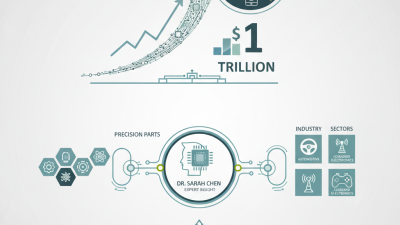
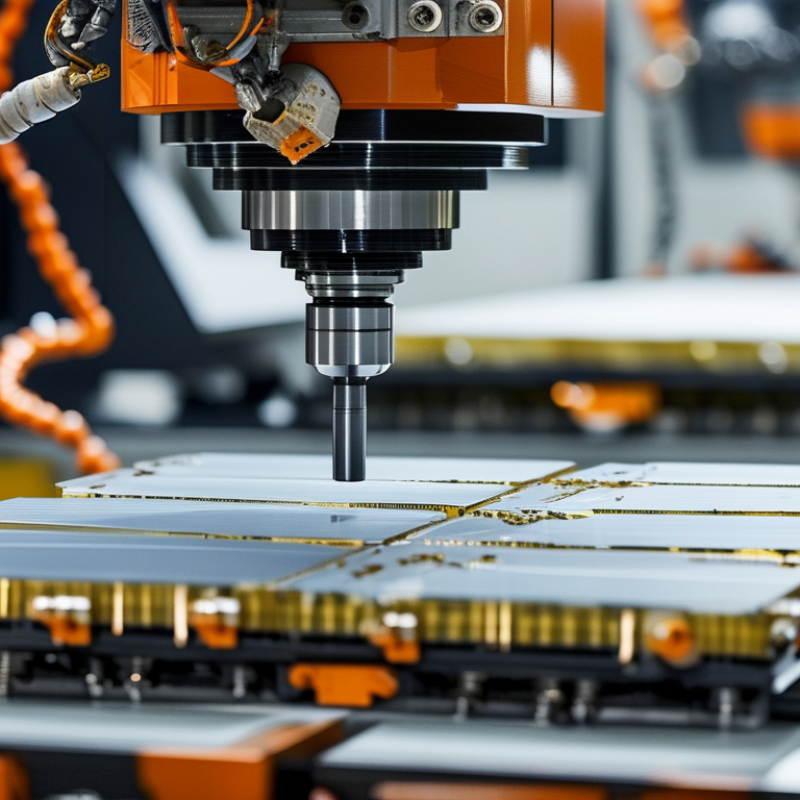
Semiconductor CNC machining has become a pivotal technology in modern manufacturing. Its precision and flexibility are unmatched, particularly in the production of intricate parts required for electronics. According to a report by the International Data Corporation (IDC), the semiconductor market is projected to reach $1 trillion by 2030, leading to an increased demand for high-quality machining solutions.
One of the key benefits of semiconductor CNC machining is its ability to produce components with tight tolerances. This is crucial in industries such as aerospace and medical devices, where a millimeter can make a significant difference. The technology allows for rapid prototyping and quick adjustments, aligning with the lean manufacturing principles many companies strive for.
Tips: Choosing the right materials for CNC machining enhances the final product's performance. Consider factors like thermal conductivity and strength. Additionally, regularly reviewing production processes can identify inefficiencies, leading to better outcomes.
Not every project may suit CNC machining. Smaller production runs could incur higher costs, making alternative methods more viable. However, the investment in semiconductor CNC machining generally pays off in long-term benefits. Companies should engage with experienced machinists to evaluate their specific needs and ensure optimal results.
Why Choose Semiconductor CNC Machining for Your Projects? - Benefits of Semiconductor CNC Machining in Modern Manufacturing
| Feature |
Description |
Benefits |
| Precision Machining |
CNC machining provides high accuracy and repeatability in manufacturing semiconductor parts. |
Ensures excellent performance and reliability of electronic devices. |
| Flexibility |
Easily adapts to different materials and complex designs without the need for extensive tooling. |
Reduces time to market for new products and supports small batch production. |
| Cost Efficiency |
Minimizes waste and optimizes material usage through precision cutting. |
Lowers overall manufacturing costs and enhances profit margins. |
| Automation |
CNC machines can operate autonomously with minimal human intervention. |
Increases productivity and allows staff to focus on higher-level tasks. |
| Quality Control |
Incorporates real-time monitoring to ensure product consistency. |
Reduces defects and improves customer satisfaction. |
Key Applications of CNC Machining in the Semiconductor Industry
CNC machining plays a vital role in the semiconductor industry. It is crucial for manufacturing precise components. The need for precision was underscored by a report from MarketWatch, which states that the semiconductor CNC machining market is projected to grow at a CAGR of 7.5% from 2021 to 2028. This growth is driven by the increasing demand for smaller and more efficient devices.
One key application is in the production of semiconductor substrates. These substrates require meticulous machining to ensure they meet tight tolerances. A recent study showed that even a 1-micron deviation can lead to significant performance issues in microchips. CNC machining allows for this level of accuracy, making it indispensable in high-stakes manufacturing processes.
CNC machining also aids in prototyping. Rapid prototyping saves time and resources, allowing companies to test designs swiftly. However, the challenge remains in consistently achieving desired results. A miscalculation in machining parameters can lead to flawed prototypes. Therefore, continuous monitoring and adjustments are essential for success in this evolving industry.
Technological Advancements Enhancing CNC Machining Efficiency
CNC machining has evolved significantly due to technological advancements. These improvements focus on enhancing precision, speed, and efficiency in semiconductor manufacturing. Modern CNC machines now utilize advanced software that enables complex geometries and intricate designs. This shift increases productivity in the production of semiconductor components.
One key development is the integration of AI in CNC machining. AI algorithms analyze production data in real-time. This leads to quicker decision-making and better quality control. Additionally, automation minimizes human error, but it raises concerns about job displacement. There remains a need to balance technology and human involvement.
As we embrace these advancements, challenges arise. Ensuring that the workforce is equipped with essential skills is crucial. Training programs are required to help workers adapt to new technologies. This transition may be difficult but vital for future success in semiconductor machining. Without addressing these gaps, progress may stall.
Cost Analysis: Semiconductor CNC Machining vs Traditional Methods
When considering semiconductor CNC machining, a cost analysis reveals compelling insights. Traditional methods often involve higher labor costs and longer turnaround times. CNC machining, however, offers precision and efficiency, reducing the waste of materials. This can lead to significant savings over time.
Yet, it's not only about lower costs. Semiconductor CNC machining requires a substantial investment in technology. The initial setup may be higher compared to traditional methods. Nonetheless, the precision it offers translates to less rework. Fewer errors can result in lower overall production costs.
While traditional methods have their place, the long-term financial implications of semiconductor CNC machining can be more favorable. As technology advances, the gap between the costs of both approaches may narrow further. Companies should analyze their capacity and precise needs before deciding.
Future Trends in Semiconductor CNC Machining and Industry Growth
The semiconductor industry is undergoing rapid evolution. Innovations in technology are shaping future trends in Semiconductor CNC machining. Precision is critical in this sector. As projects demand higher accuracy, CNC machining becomes a go-to solution. Manufacturers can achieve intricate designs with tight tolerances. This capability enhances overall quality and performance.
Moreover, the growth in electric vehicles and renewable energy is driving demand for semiconductor components. As industries shift towards greener technologies, the need for efficient machining processes increases. However, the current techniques may not fully meet all emerging requirements. Continuous improvement and adaptation are essential. Companies must invest in advanced machinery and skilled operators to stay competitive.
Emerging technologies, like AI and automation, are influencing CNC machining. These advancements can improve productivity and reduce costs. Yet, companies face a learning curve. Integrating new technologies into existing systems can pose challenges. Adapting to these changes often requires a significant investment in training and resources. This reality highlights the need for ongoing evaluation and adaptation within the industry.
Future Trends in Semiconductor CNC Machining